
Tips for Selecting the Perfect Lighting for Your Streams
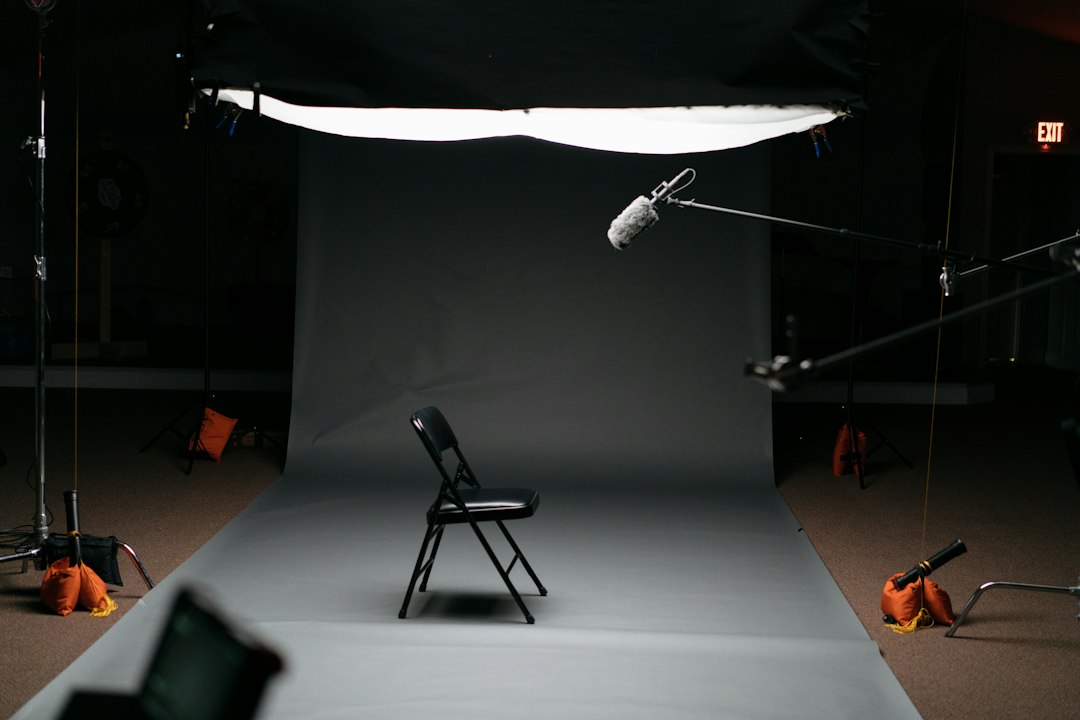
Lighting is a crucial element in streaming that can significantly impact the quality of your content. Whether you are a seasoned streamer or just starting, understanding how to select the right lighting can enhance your production value and viewer engagement. In this article, we will explore various lighting options, their benefits, and practical tips for achieving the best results in your streams.
Understanding Different Types of Lighting
When it comes to streaming, there are several types of lighting to consider. Key lighting is the primary light source that illuminates your face and the main subject of your stream. Fill lighting helps to reduce shadows created by the key light, ensuring a more balanced look. Backlighting can add depth to your stream by separating you from the background, creating a professional appearance.
Each type of lighting serves a specific purpose, and understanding these can help you create a well-lit environment. For instance, using a combination of key, fill, and backlighting can provide a three-dimensional effect that enhances your visual presentation. Experimenting with these different types can lead to a more polished and engaging stream.
Choosing the Right Light Source
LED lights are a popular choice among streamers due to their energy efficiency and versatility. They come in various shapes and sizes, making them suitable for different streaming setups. Softbox lights are another excellent option, as they diffuse light evenly, reducing harsh shadows and creating a soft glow that flatters your appearance.
Consider the color temperature of your lights as well. A daylight-balanced light (around 5600K) mimics natural sunlight and is often preferred for streaming. Warmer lights (around 3200K) can create a cozy atmosphere but may not be ideal for all streaming scenarios. Assess your environment and choose a light source that complements your content style.
Placement and Positioning of Lights
The placement of your lights can dramatically affect the outcome of your stream. Ideally, your key light should be positioned at a 45-degree angle to your face to create dimension and avoid flat lighting. Fill lights should be placed on the opposite side to soften shadows without overpowering the key light.
Backlights should be positioned behind you, aimed at your shoulders or head to create separation from the background. This positioning not only enhances your visibility but also adds a professional touch to your stream. Take the time to adjust and test the positioning of your lights to find the most flattering angles.
Utilizing Natural Light
Natural light can be a fantastic resource for streamers, especially if you have access to a well-lit room. Positioning your streaming setup near a window can provide soft, diffused light that enhances your appearance without the need for additional equipment. However, be mindful of the time of day, as the quality of natural light can change.
To make the most of natural light, consider using sheer curtains to diffuse harsh sunlight and create a more even illumination. If you find that natural light is inconsistent, supplement it with artificial lighting to maintain a consistent look throughout your streams. Balancing natural and artificial light can create a dynamic and visually appealing environment.
Step-by-step plan:
Step 1: Identify the type of lighting that best suits your streaming needs. Step 2: Choose the right light sources based on your budget and space. Step 3: Experiment with light placement to find the most flattering angles. Step 4: Consider incorporating natural light to enhance your setup.